Tall Stacks 2025
My parents moved to Cincinnati the same year Tall Stacks debuted. After that inaugural 1988 riverboat festival, the event would be held five more times, but it wasn’t something my family ever went to. By 2006, though—when I was 17, getting into photography, and preparing to launch Queen City Discovery—it was the exact kind of thing I wanted to experience.
Except, I forgot to request off from my part-time amusement park job. And as I clocked in for a weekend of double shifts, I figured I’d just catch Tall Stacks when it returned in a few years. Yet, the 2009 edition ended up being pushed back to 2010 before ultimately being placed on an indefinite hiatus.
At that time, Tall Stacks seemed to have lost its cultural cachet. What had once been heralded as a marquee, Midwestern event quietly disappeared into the history books with what felt like indifference. By November of 2024, however, the city’s reputation for signature events had completely evolved.
Cincinnati was in serious contention to become a new home for the Sundance Film Festival, the nation’s largest Oktoberfest had been reinvigorated with a move to the riverfront, BLINK had established itself as an international affair, and the longstanding Cincinnati Music Festival was continuing to draw large crowds every summer. Sure, the city had never been a heavyweight contender for The Olympics, but it had gone on to serve as a successful host for the World Choir Games, an MLB All-Star Game, and the Club World Cup (while almost getting to host the actual World Cup). All this to say: the perception of the Queen City was at a modern peak when “America’s River Roots” was announced, and while riding the momentum of all that relatively recent success—this new event proclaimed itself to be not just a spiritual successor to Tall Stacks, but something bigger and better entirely.
As for why the original name wasn’t used, well, that was apparently a matter of contention. Some said it was a legal matter, others said it was folks just wanting to do something different. Either way, it was an uphill battle as tall as the Willis Tower.
The organizers did make waves by announcing that top-tier musical acts such as Weezer, Mt. Joy, and Janelle Monae—but, the ever-raging currents of a so-called “changing entertainment landscape” caused said organizers to eventually cut those acts. Then there were reports of cruises being cancelled, allegations of bait-and-switch tactics, and a last-minute request for additional public funding. The joke quickly became that America’s River Roots was Cincinnati’s very own “Fyre Festival.” And while that reference might’ve been a bit over the top, the event’s limited promotion did little to dissuade the notion—most of it based around stock image schlock and buzzword banter that attempted to make Cincinnati seem as if it was located at the crossroads of Bourbon and Beale Streets.
Sure, the Ohio River plays a huge role in the region’s history, geography, and environment—but I think it’s a bit of a stretch to claim it as an integral part of the Queen City’s contemporary identity. The river is decidedly not something held fondly within the hearts and minds of locals. Unlike New Orleans and Memphis with their distinct culinary and musical flares along the Mississippi, Southwest Ohio and Northern Kentucky have a more casual connection with their shores—primarily using them as docks for boat-raunts (one of which kept breaking away). An economic artery, the Ohio’s muddy waters have a reputation for being overly polluted even if that’s not always the case. And while the coasts are lined with beautiful public spaces and parks, the majority of the area’s waterborne recreation takes place on smaller, nearby rivers or well outside of the downtown basin where industrial barge traffic is less congested.
Still, the iconic BB Riverboats fleet has long been a tourism mainstay, we had those “duck tours” for a few minutes, there was once a floating theatre, and before we just recently lost the floating Hooters (after having never received our floating McDonald’s)—there was a ship that would set sail from said sports bar to the riverfront MLB and NFL stadiums.
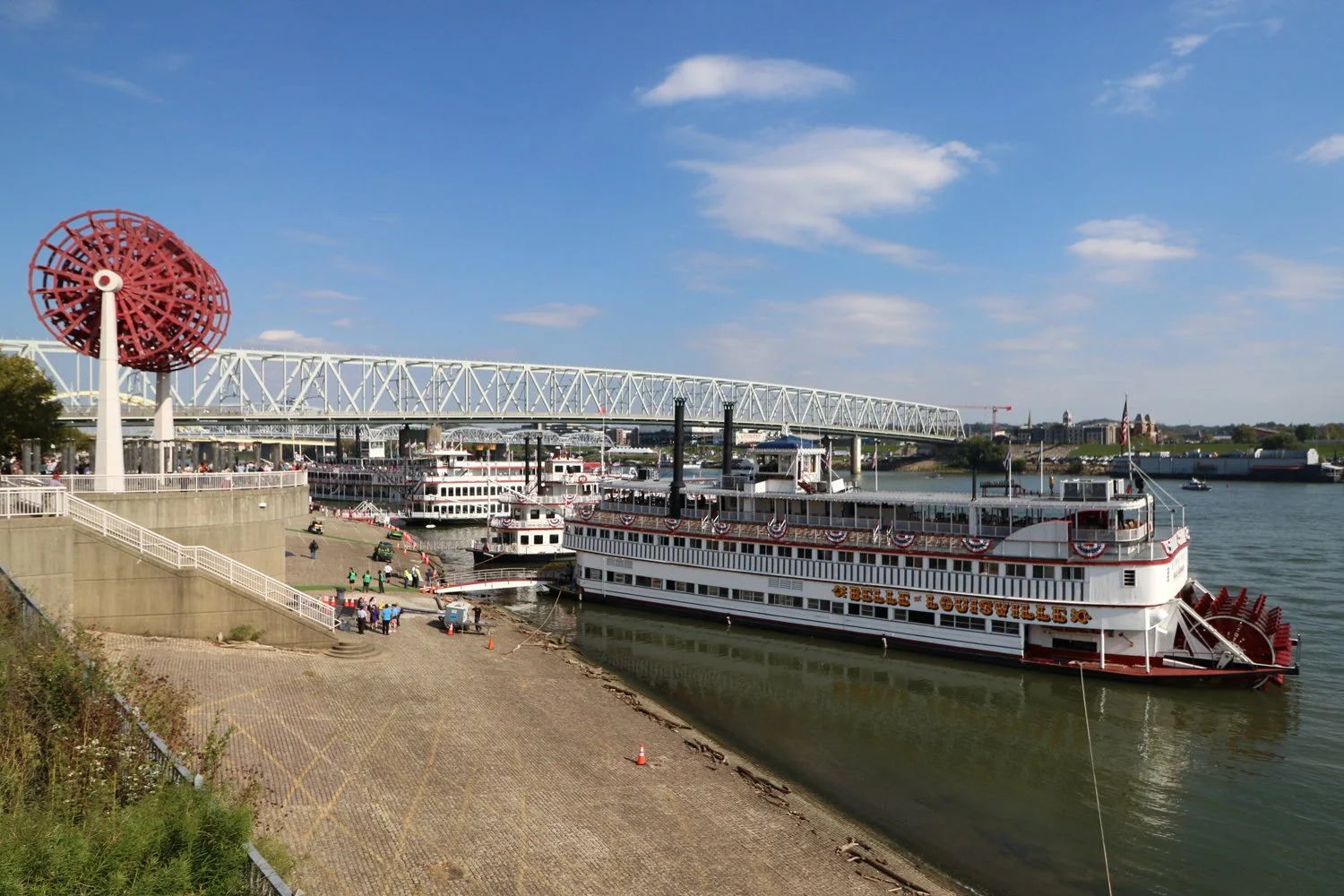
Tall Stacks had been the area’s true cultural connection with the river and its steamboat history, however. So much so that the Reds’ then-new ballpark had incorporated thematic references into its early 2000’s design. And while the decorations didn’t necessarily look out of place within a historic riverboat city, both them and the nearby, rarely functioning National Steamboat Monument did start to feel dated after the formerly iconic festival had gone kaput. Yet, “America’s River Roots” sounded like the perfect opportunity to reconnect the people with the river, and with any luck: it could still do that without the help of Rivers Cuomo.
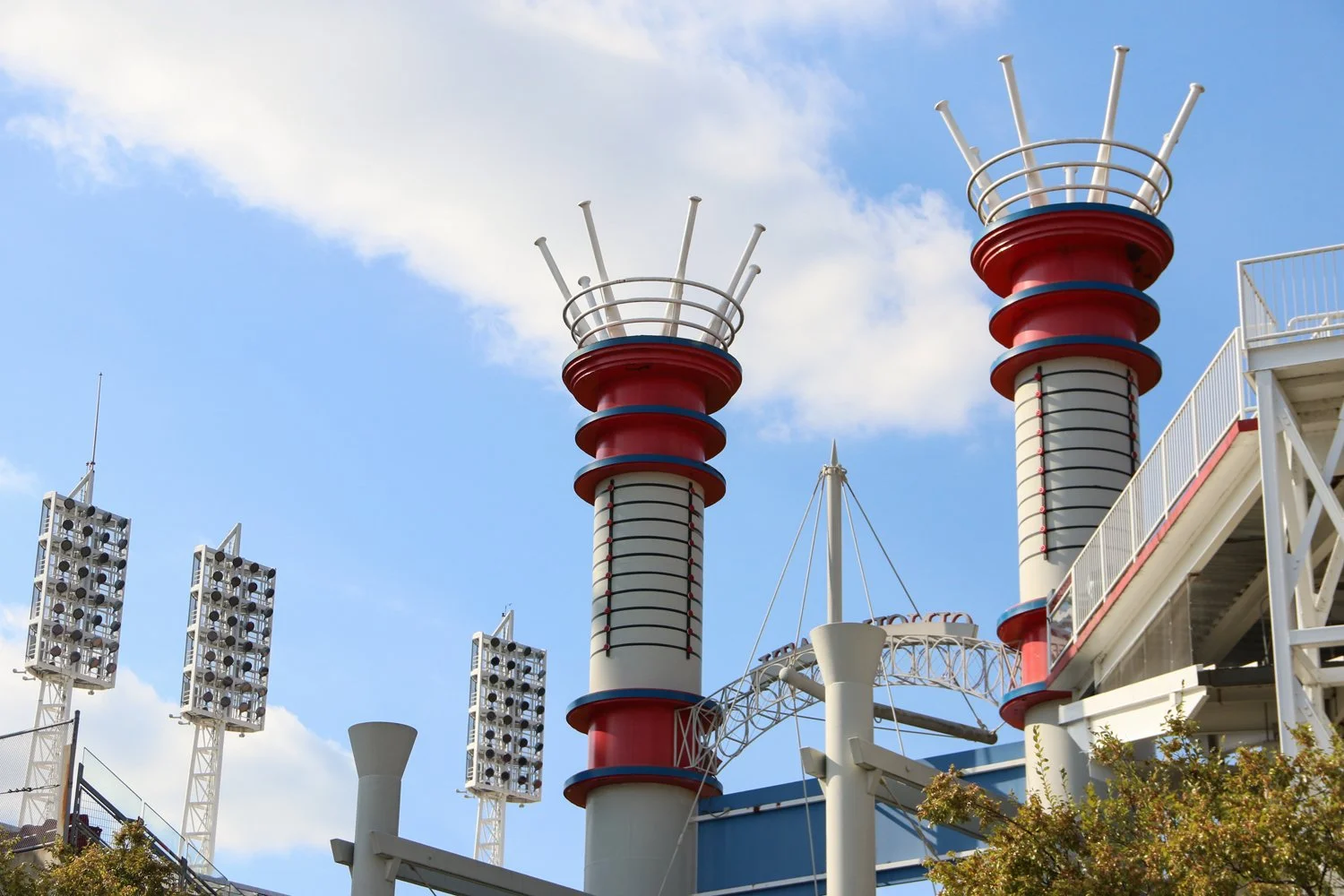
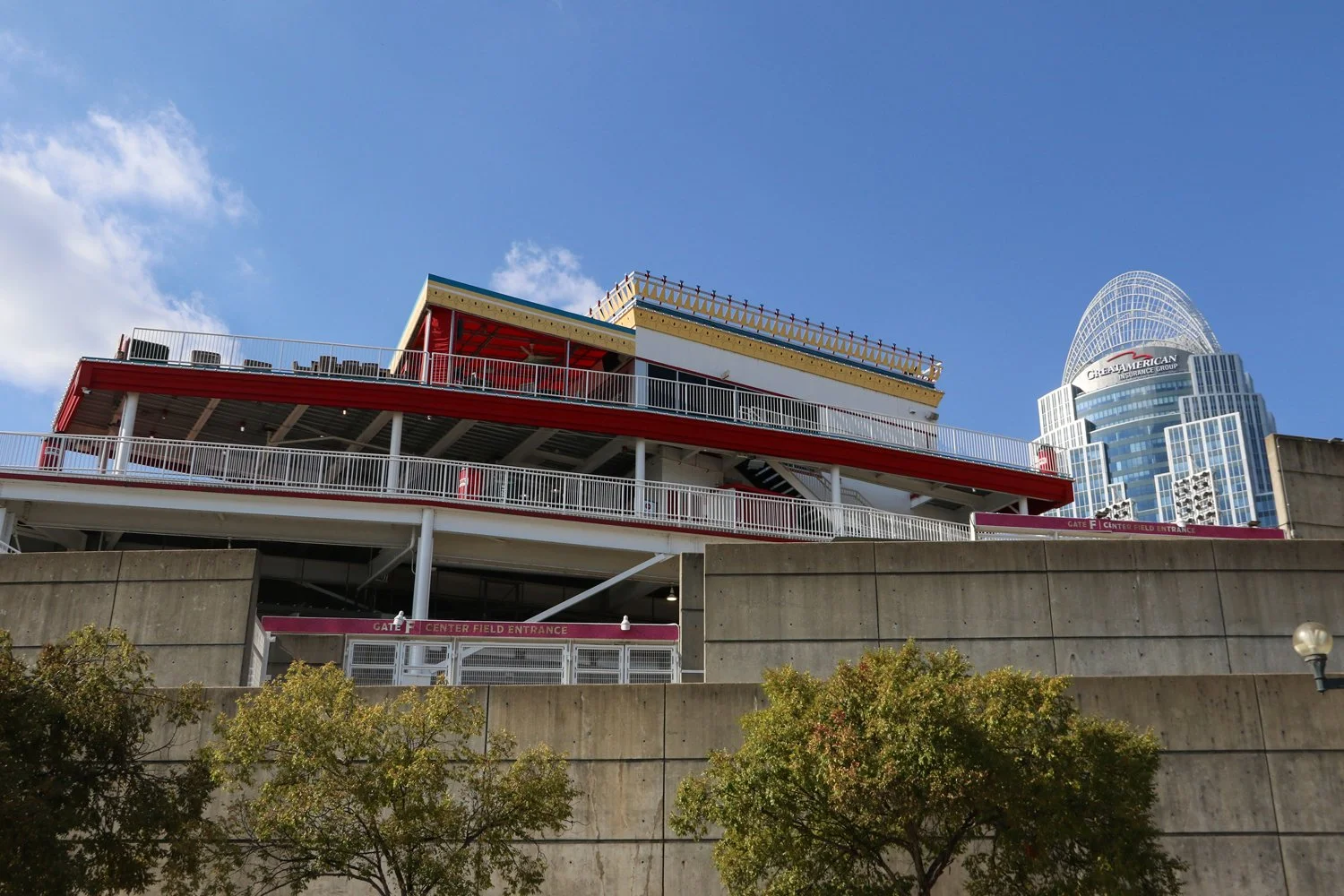
The “PNC Power Stacks” and the “TriHealth Riverboat Deck” of the Cincinnati Reds’ Great American Ballpark.
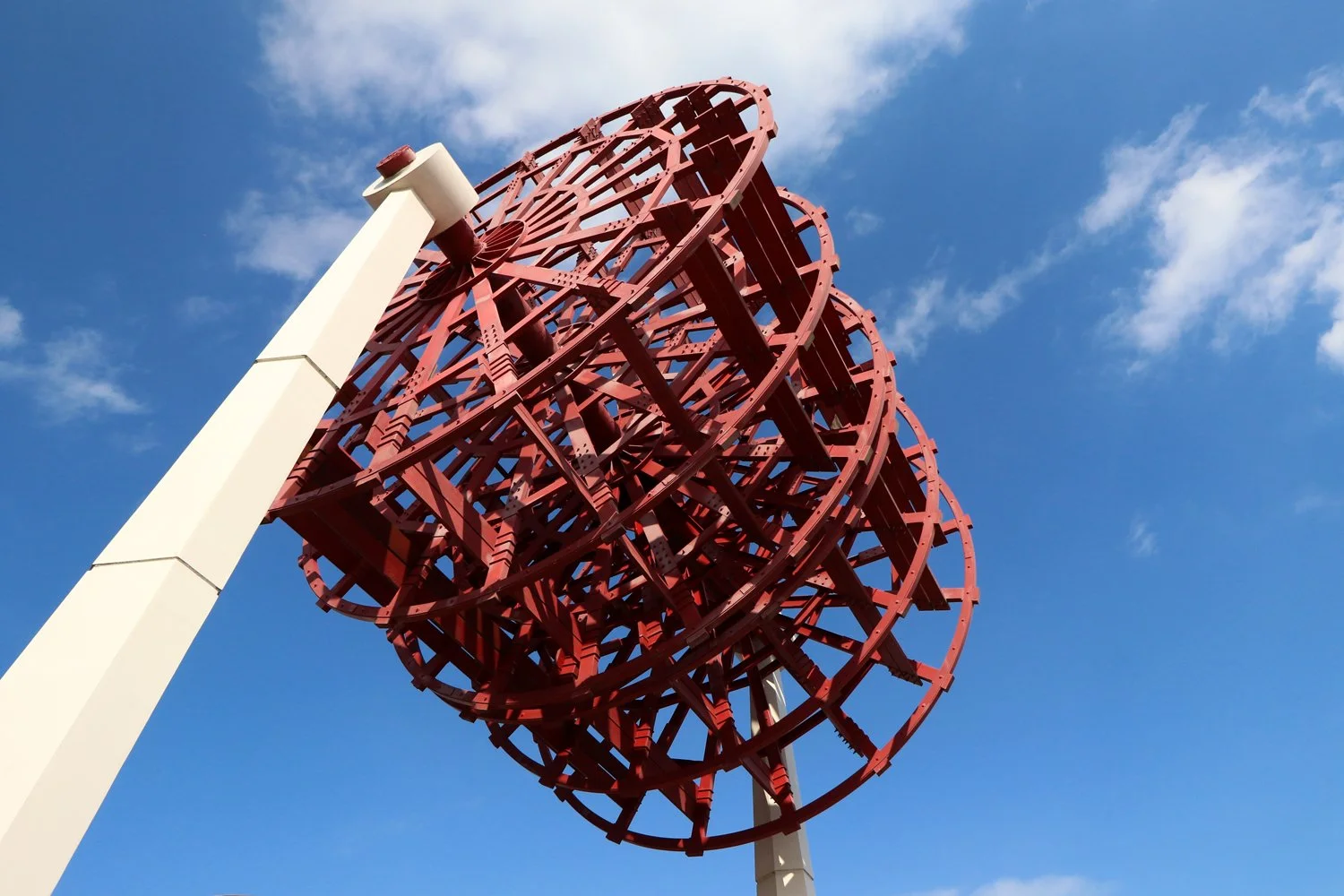
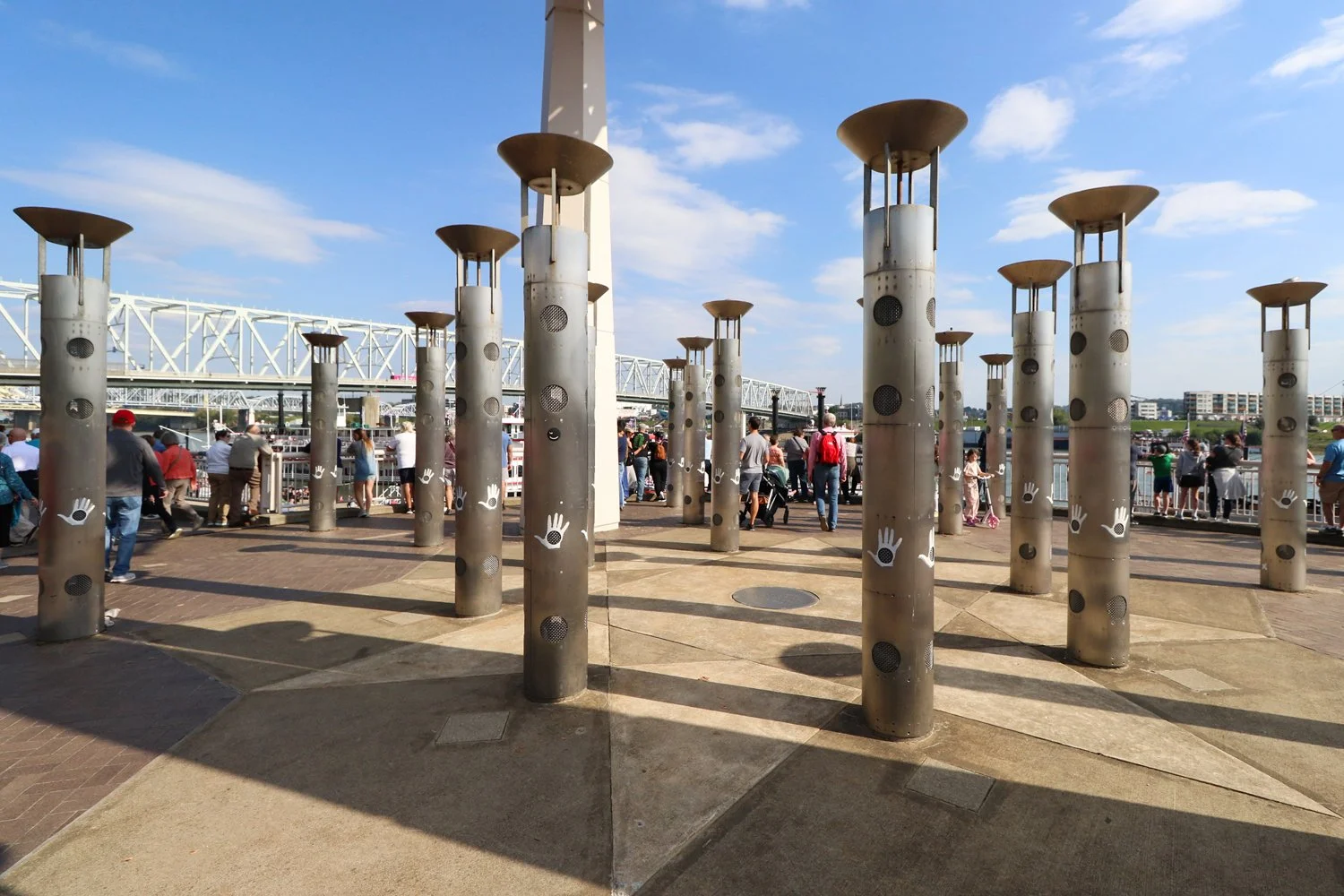
The National Steamboat Monument (which was sort-of working on this day).
I’ll admit, though: as someone only marginally interested in the announced musical acts—I’d taken one look at the ticket prices only to scoff and then promptly forget the whole thing was even happening until the cancellation drama cropped up in the news. I certainly wasn’t the only one with that experience, but I figured that if the organizers had still managed to cobble something together, it’d at least be worth walking down to check out all the boats.
And truly, it was great.
I’m sure that the loss of major musical acts didn’t help things financially and that those economic strains may cast a bleak outlook on the event’s future, but the charm of the riverfront combined with local music and positive crowds descending upon all these historic ships visiting from across the country led to a really nice atmosphere. What ended up occurring was a truly unique experience that succeeded in spite of diminished ambitions and problematic promotion. I believe that many, myself included, would be happy to see “America’s River Roots” return.
Should probably just call it “Tall Stacks” next time, though.
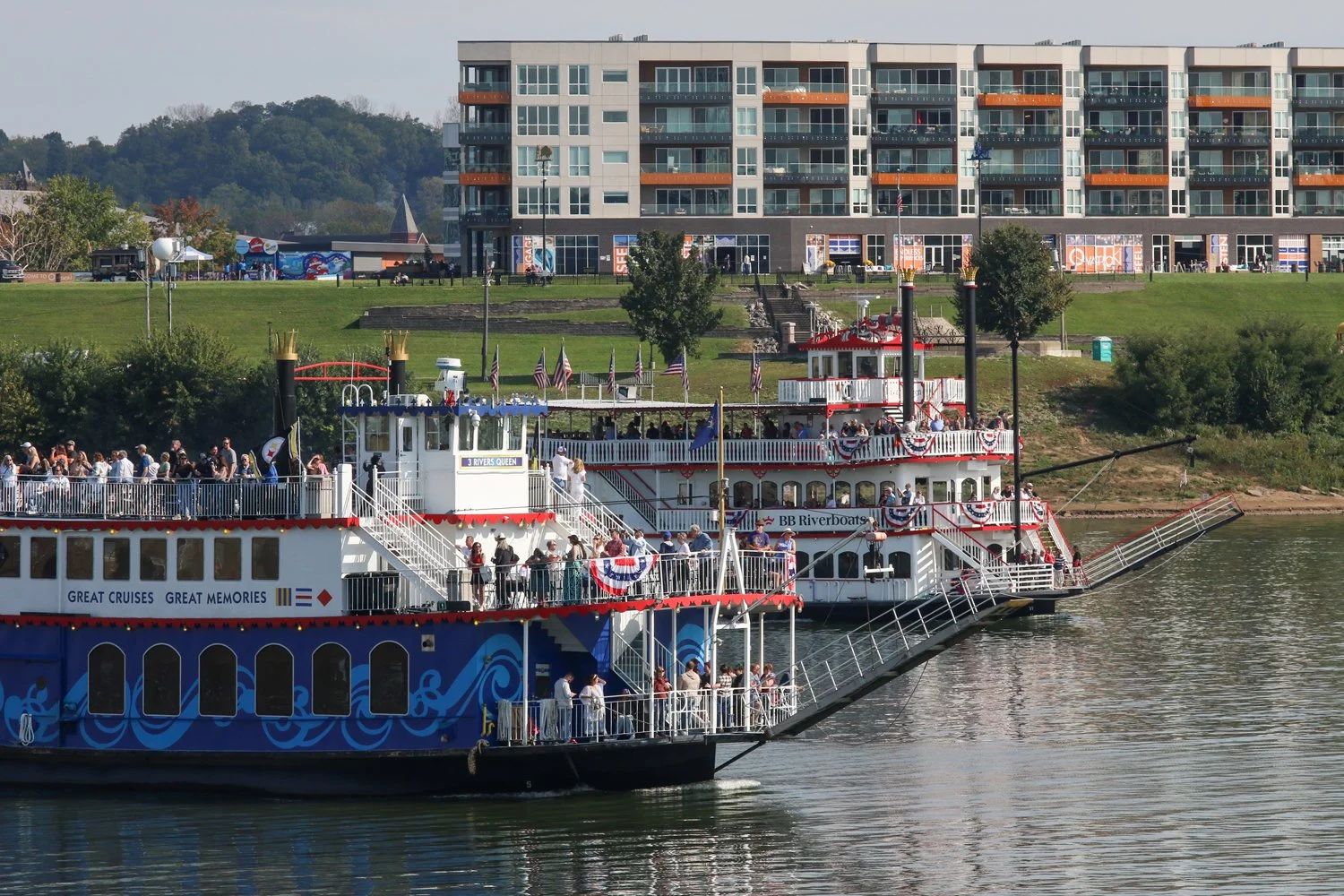
The Three Rivers Queen of Pittsburgh and the River Queen of Cincinnati.
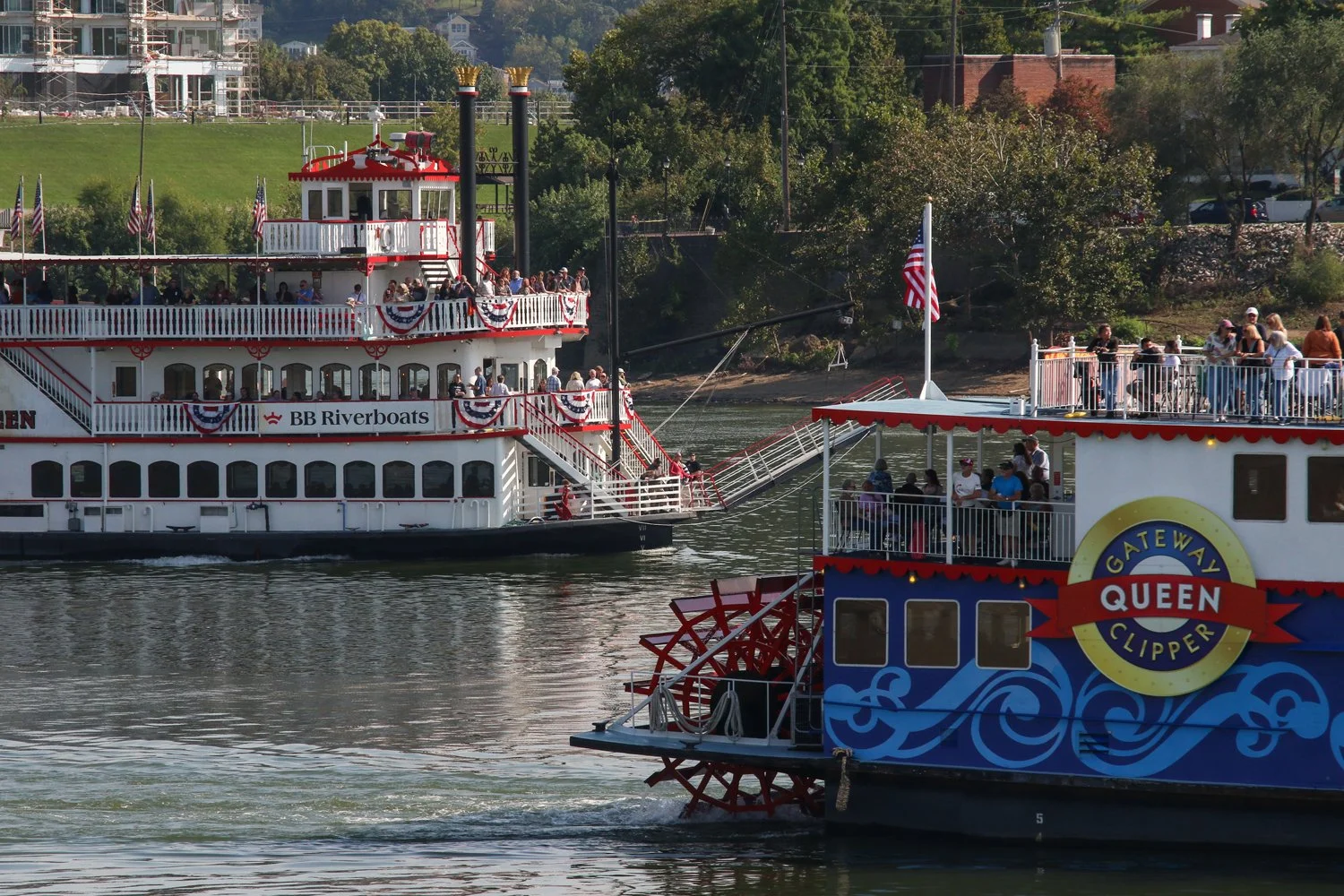
The River Queen and Three Rivers Queen.
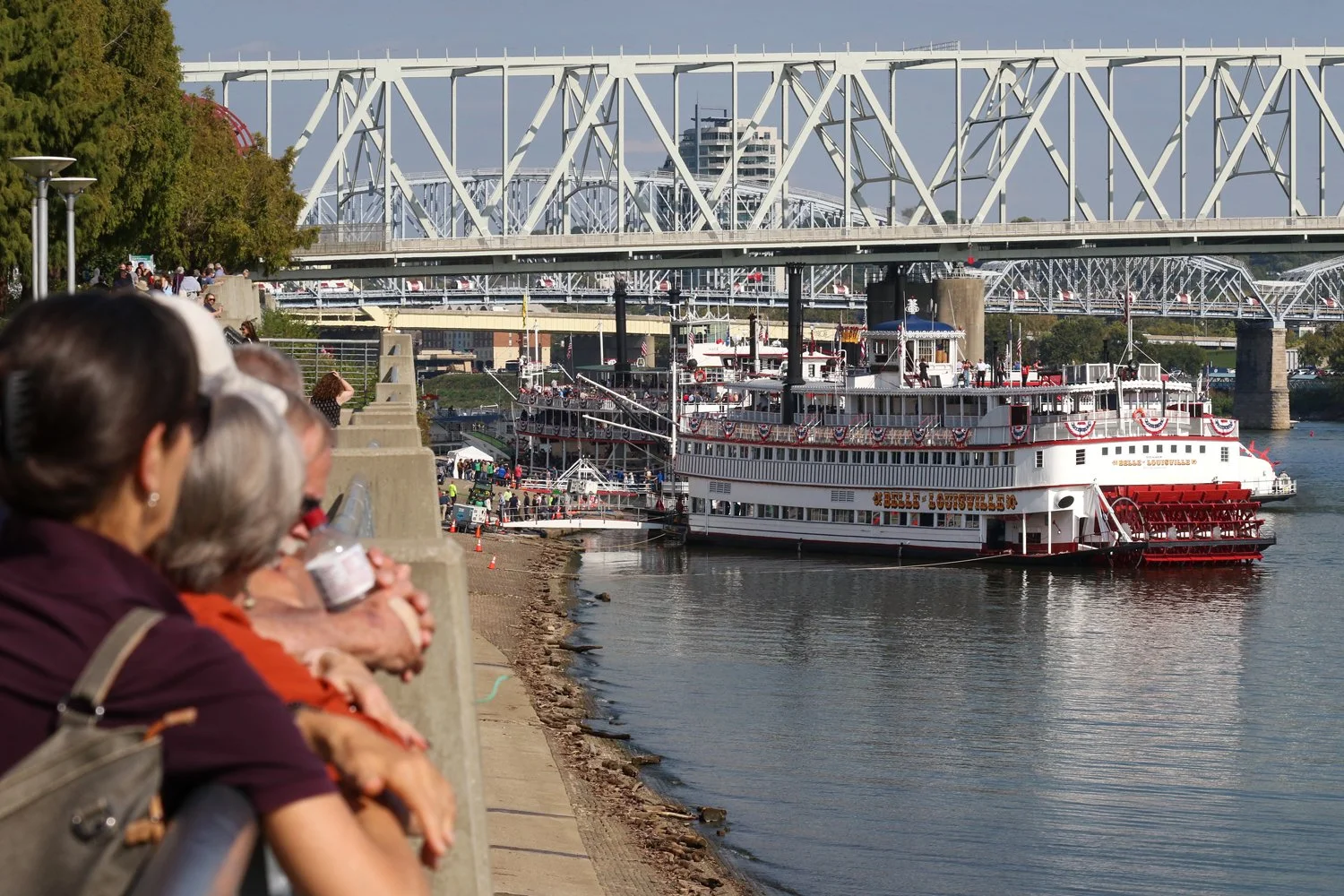
Attendees look towards the Belle of Louisville and the Natchez.
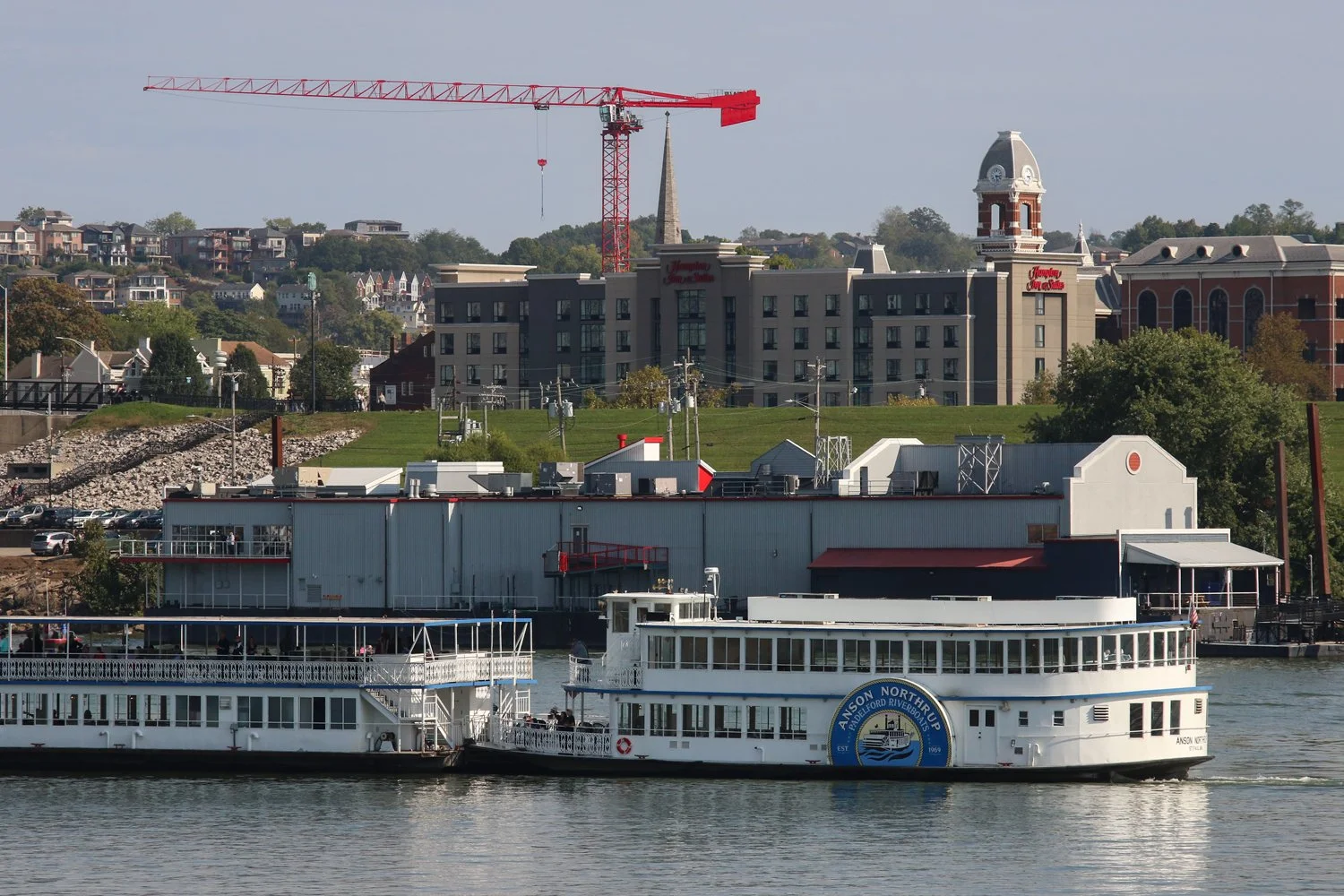
Anson & Betsey Northrup of St. Paul.
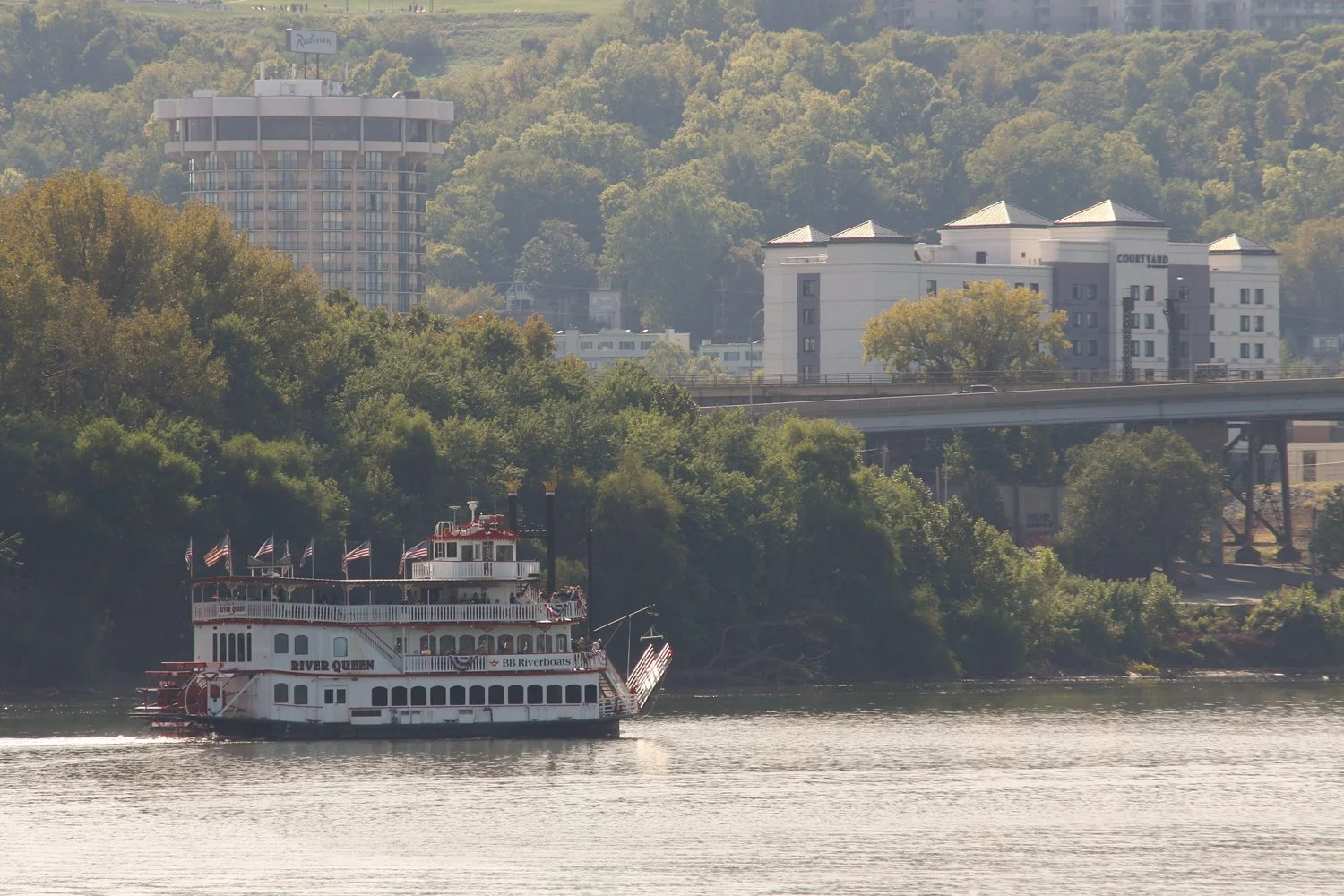
The River Queen passing the area’s only remaining revolving restaurant.
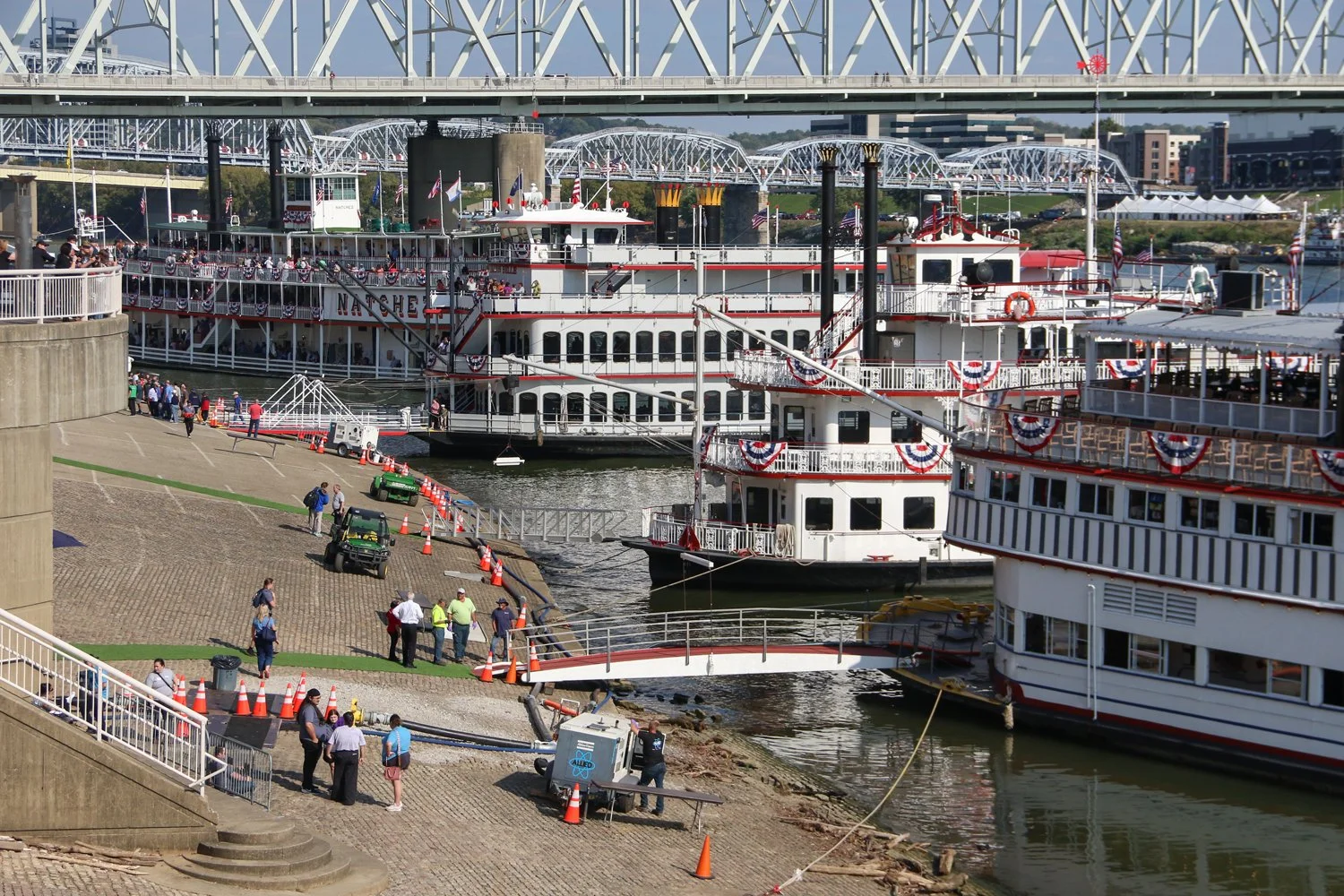
The Public Landing of Cincinnati during “America’s River Roots.”
From front to back: Belle of Louisville, Belle of Memphis, Celebration Belle (Moline, IL), Natchez (New Orleans).
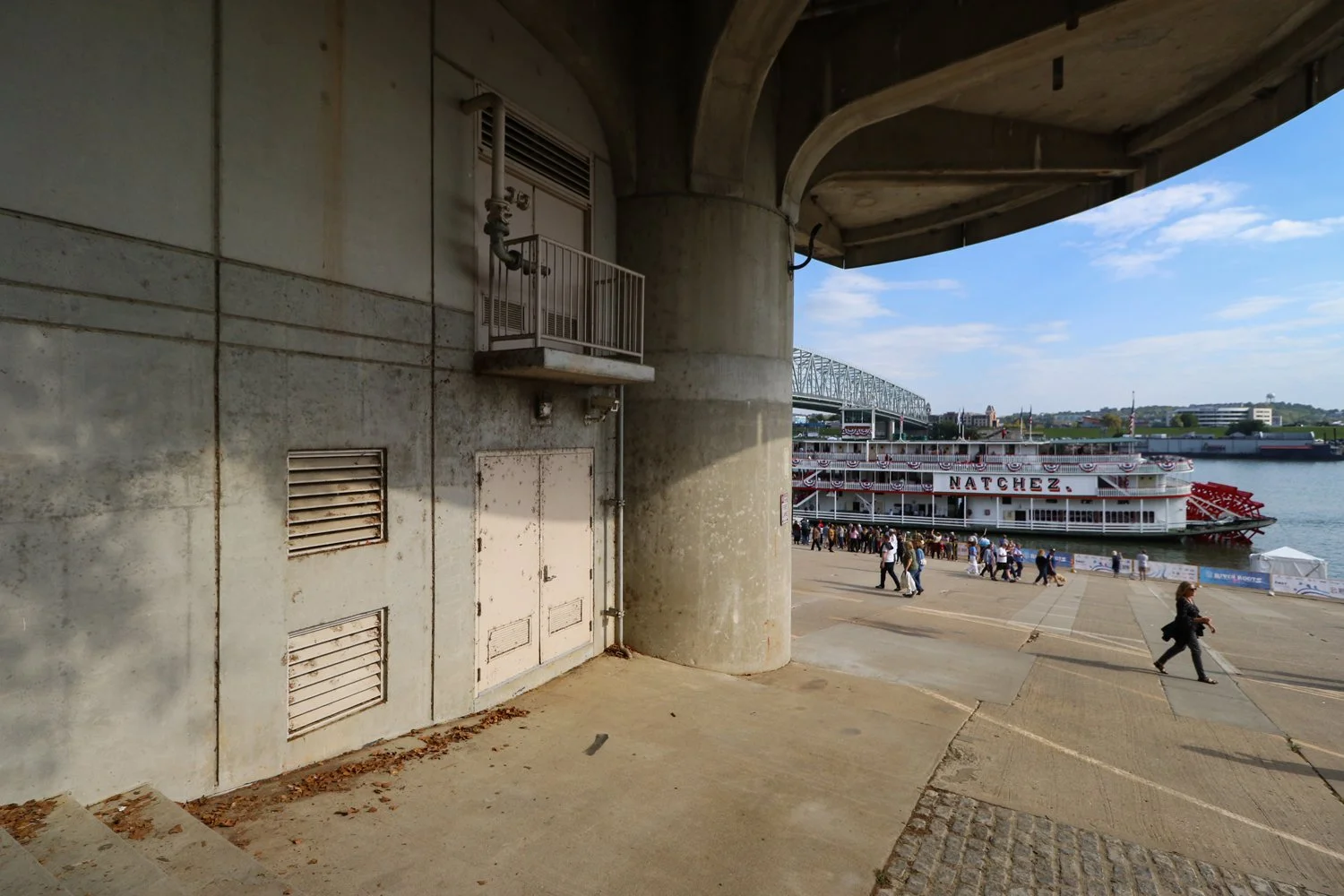
That Natchez docked near the arena.
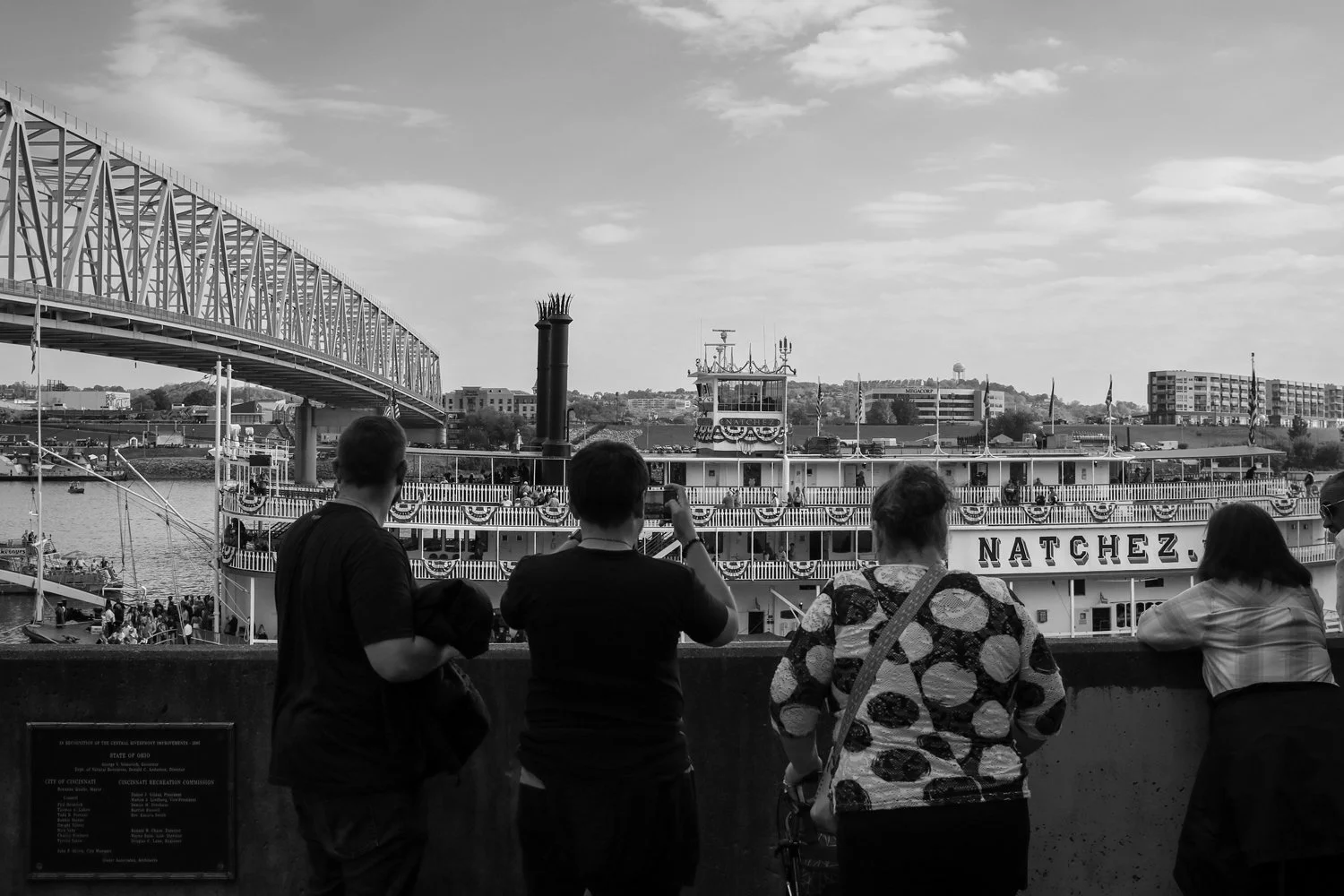
Steamboat Natchez of New Orleans.
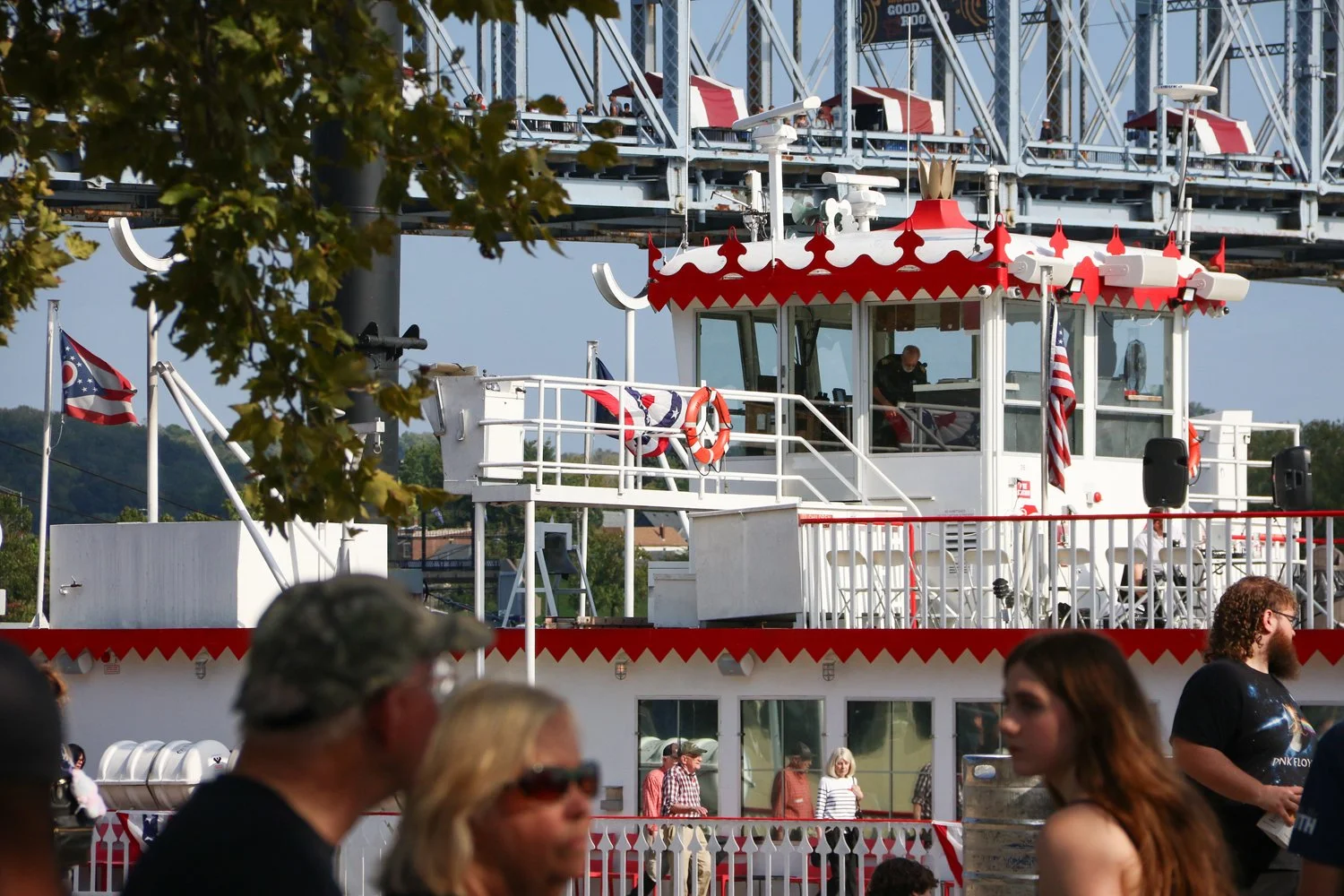
Belle of Cincinnati.

Belle of Cincinnati.
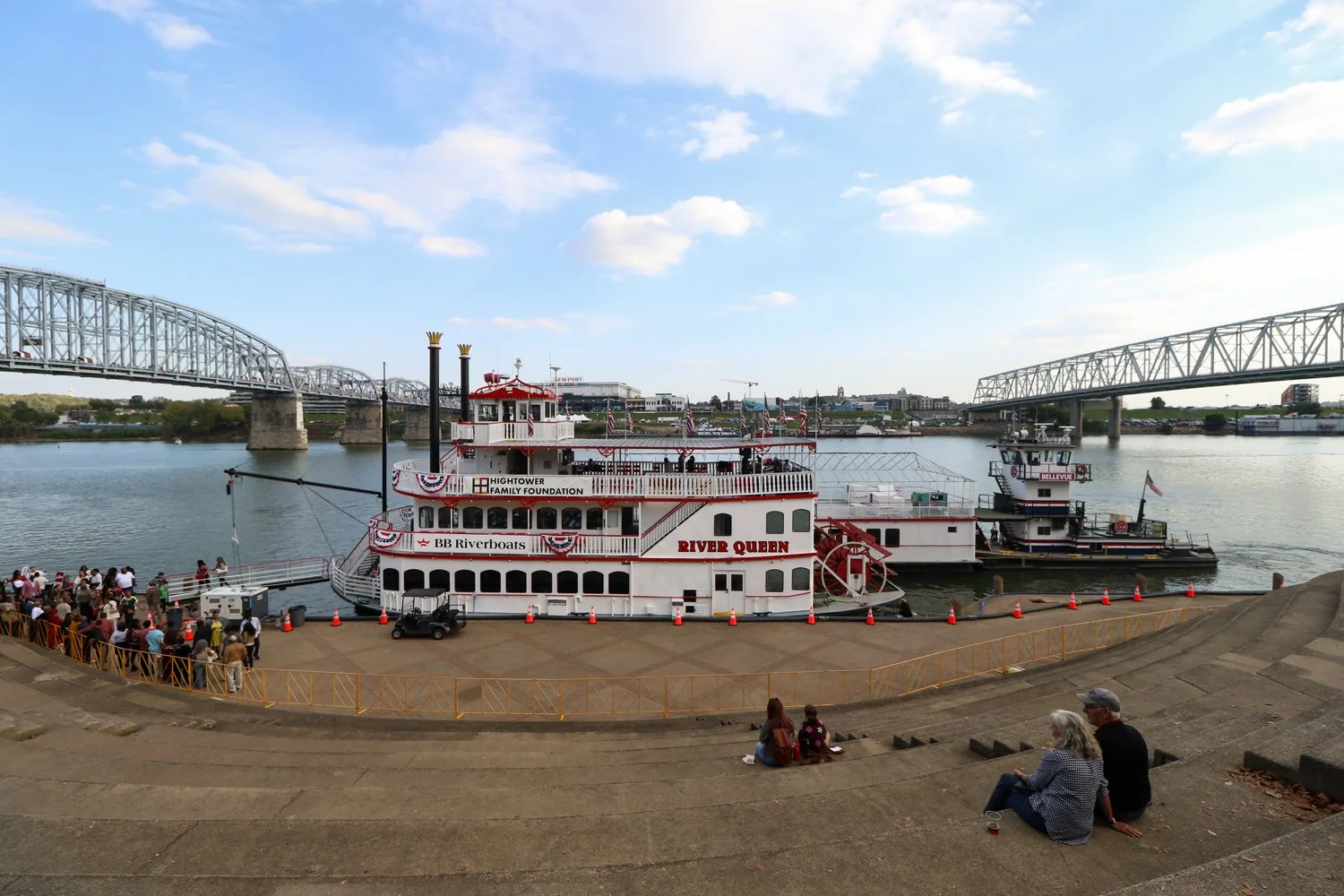
River Queen.
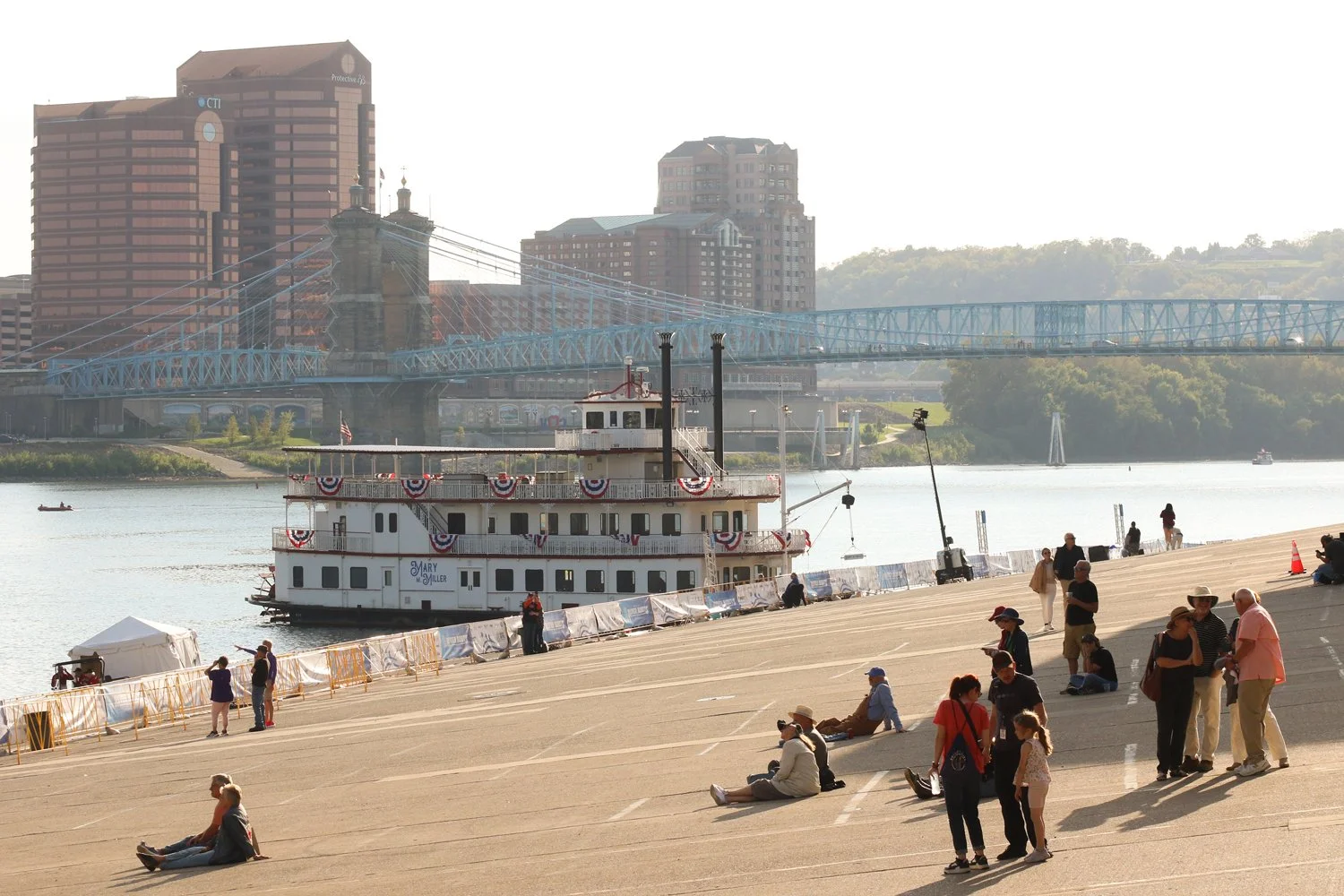
The Mary M. Miller of Louisville, KY.
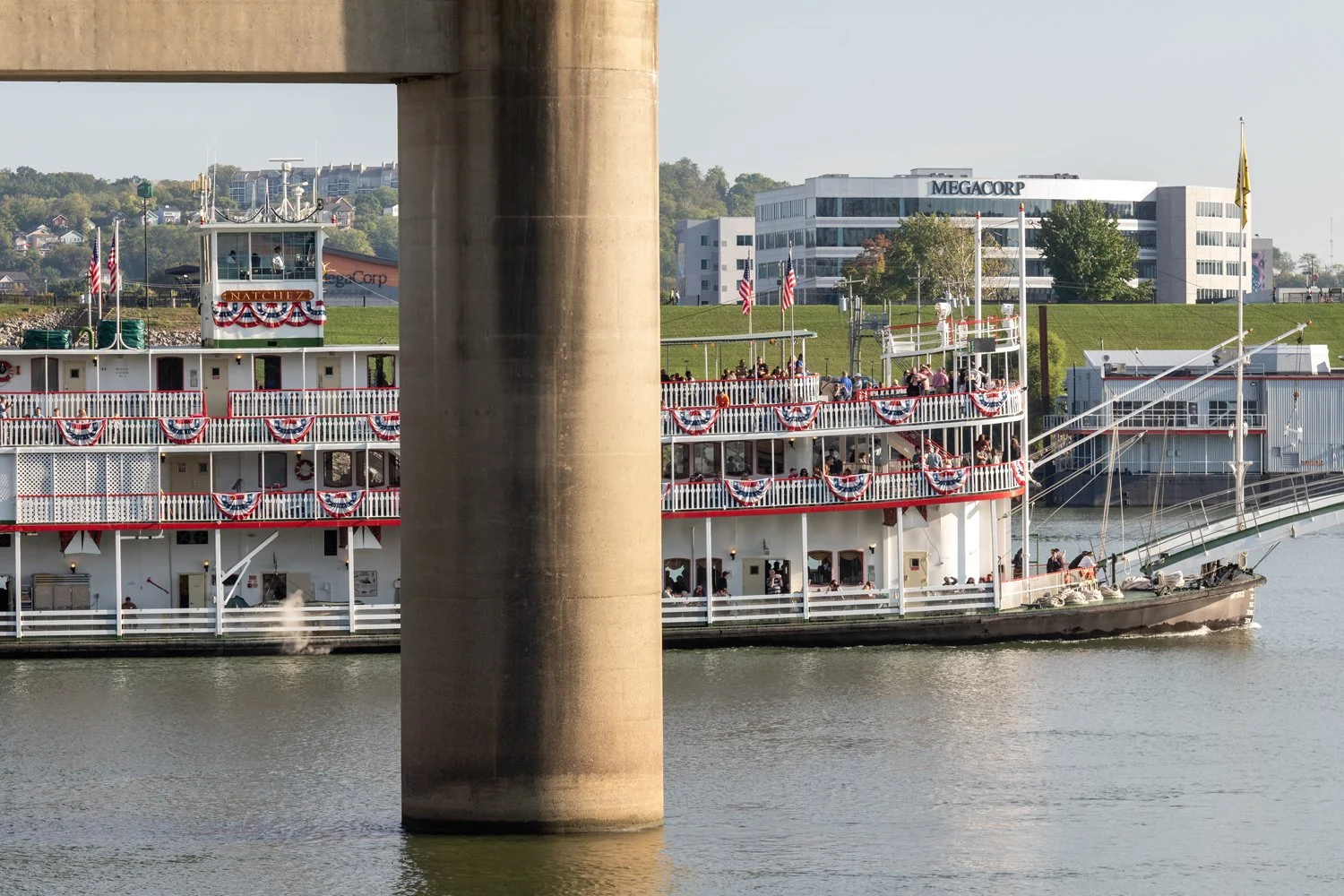
Steamboat Natchez.
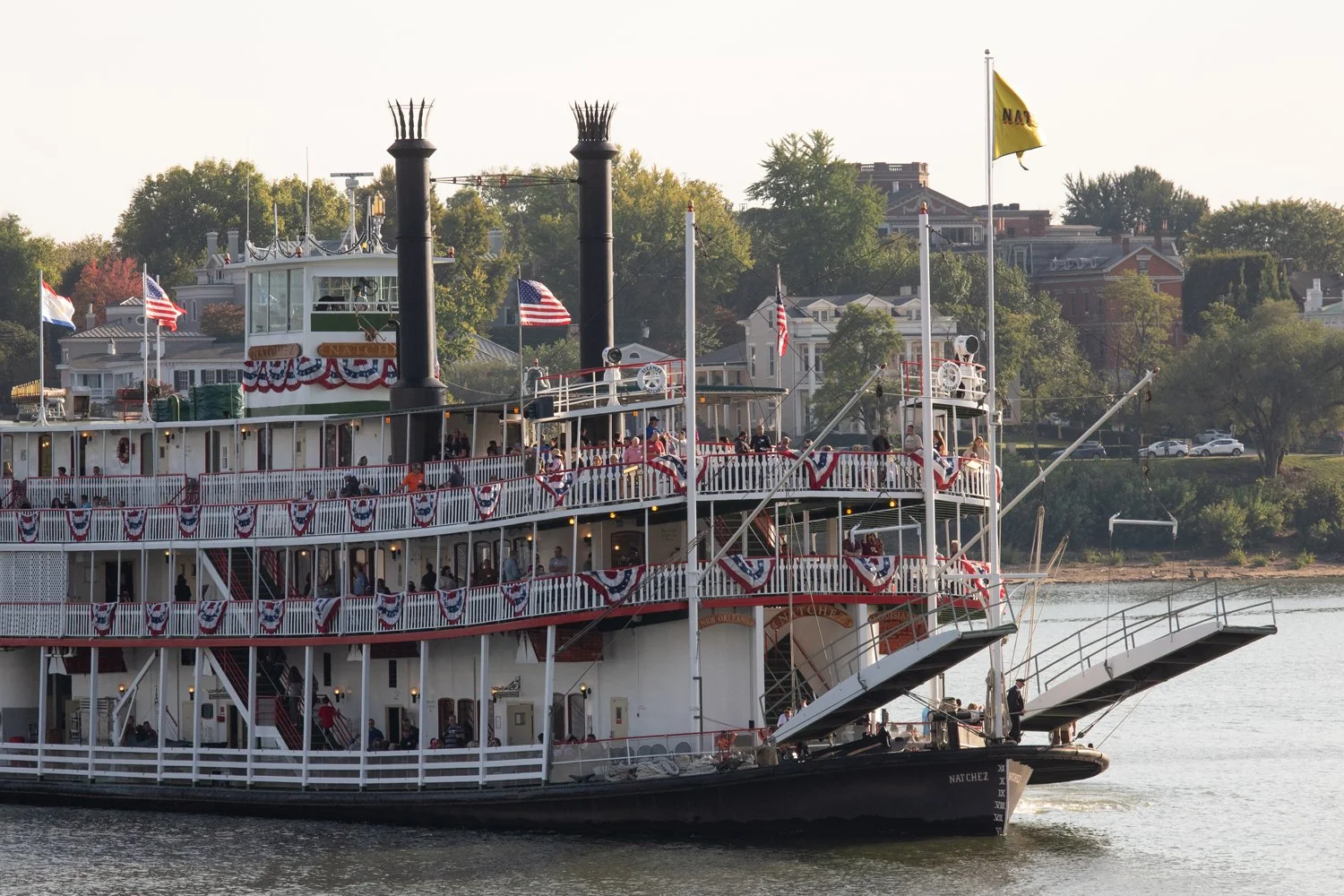
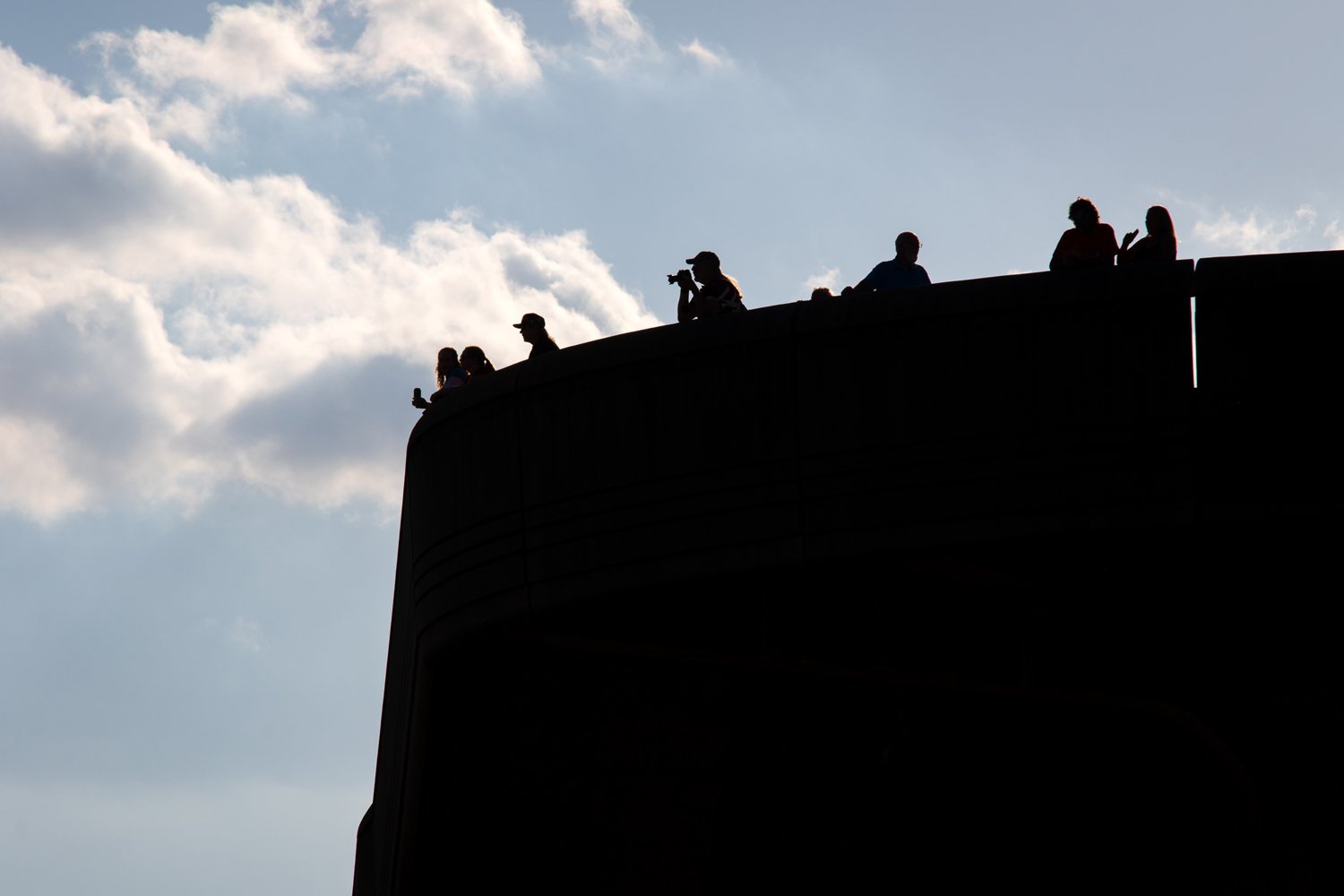
Onlookers watch from the arena steps as the Natchez prepares to dock.
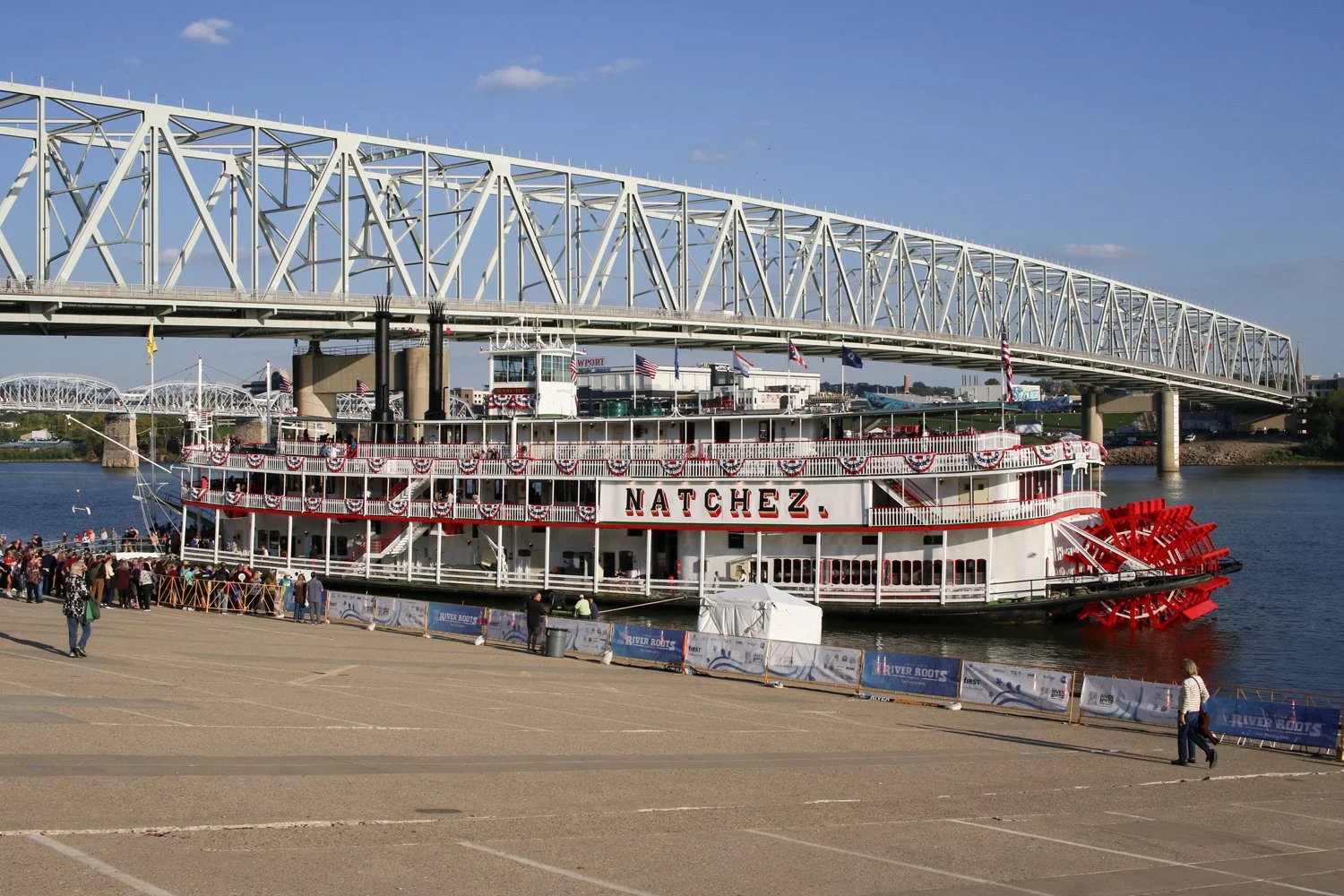
Steamboat Natchez.
Since 2007, the content of this website (and its former life as Queen City Discovery) has been a huge labor of love.
If you’ve enjoyed stories like The Ghost Ship, abandoned amusement parks, the Cincinnati Subway, Fading Ads, or others over the years—might you consider showing some support for future projects?